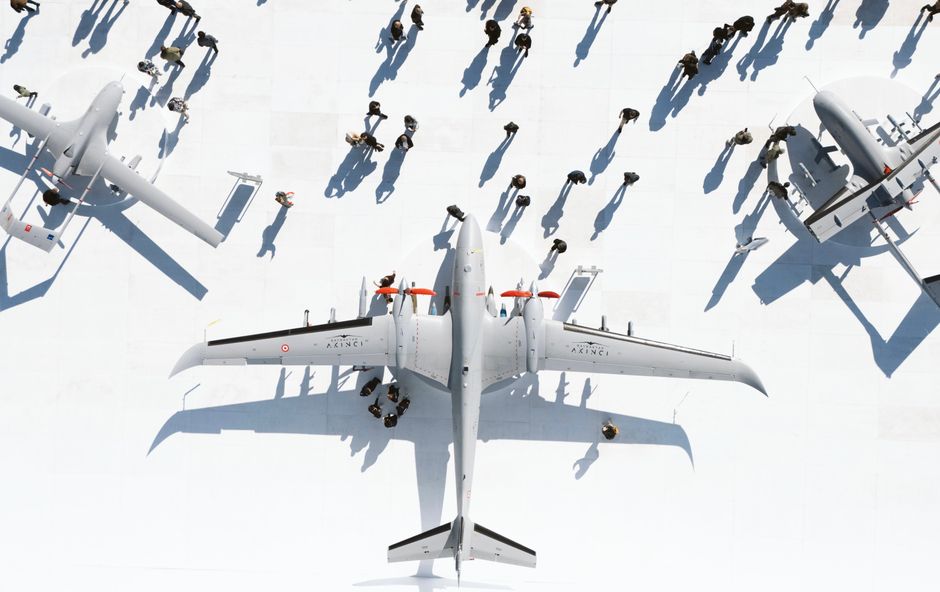
Military-Grade Drone Systems for Tactical Missions
Overview of Military-Grade Drone Systems
Military-grade drone systems have become an essential component in modern tactical operations. These advanced unmanned aerial vehicles (UAVs) provide critical capabilities such as real-time surveillance, target acquisition, and battlefield reconnaissance. Unlike commercial drones, military-grade drone systems are designed to withstand harsh environments, offer extended flight endurance, and integrate with sophisticated communication networks, enabling forces to gain a decisive advantage in complex mission scenarios.
One of the key differentiators of these systems is their ability to perform with high reliability under stringent operational demands, making them indispensable tools for intelligence gathering and tactical support.
Surveillance and Reconnaissance Capabilities
Surveillance drone technology within military-grade systems equips operators with enhanced situational awareness. These drones are typically equipped with multi-spectral cameras, thermal imaging, and advanced sensors to detect movement, identify threats, and monitor enemy activities from a safe distance. The capability to deliver real-time video feeds to command centers allows for rapid decision-making and precise targeting.
This level of surveillance capability extends beyond traditional reconnaissance roles, supporting border security, search and rescue operations, and monitoring of conflict zones.
Comparing UAVs and Commercial Drones
Understanding the distinction between UAVs and commercial drones is crucial when evaluating tactical applications. While the terms are often used interchangeably, UAVs encompass a broader category that includes both military and civilian unmanned aerial vehicles. Commercial drones, on the other hand, are primarily designed for recreational use, aerial photography, or industrial inspections.
Military-grade drone systems feature hardened components, encrypted communication links, and specialized payloads that are not typically found in commercial drones. These enhancements enable them to operate effectively in contested environments where electronic warfare and signal jamming may be prevalent.
Utility and Inspection Roles in Military Contexts
Beyond surveillance and combat support, military-grade drones serve significant roles in drone inspection and drone utility inspection tasks. They can be deployed to inspect infrastructure such as bridges, power lines, and communication towers in forward operating areas, minimizing risks to personnel. The ability to perform detailed inspections remotely reduces downtime and ensures mission-critical assets remain operational.
These inspections can be conducted rapidly and safely, providing commanders with timely information about structural integrity, potential sabotage, or damage caused by hostile actions.
Enhancing Security Through Drone Systems
Drone security is a growing priority in military operations, with drone systems employed to safeguard bases, convoys, and critical assets. Military-grade drones can be integrated into perimeter defense networks to detect unauthorized incursions or aerial threats. Their rapid deployment and mobility allow for flexible responses to emerging security challenges.
Additionally, these systems can support electronic warfare measures by identifying and countering adversarial drone activities, thus maintaining airspace control and protecting friendly forces.
Future Directions in Tactical Drone Applications
The evolution of military-grade drone systems continues to push the boundaries of what unmanned platforms can achieve. Advancements in artificial intelligence, autonomous navigation, and swarm technology promise to enhance operational effectiveness even further. Future tactical missions will likely see increased reliance on drones capable of coordinated maneuvers and adaptive mission planning without direct human control.
As these technologies mature, the integration of military-grade drone systems will become even more seamless within joint force operations, providing unprecedented levels of precision, speed, and tactical flexibility.
Embracing the New Age of Tactical Aerial Systems
The deployment of military-grade drone systems marks a transformative shift in tactical mission execution. Their multifaceted roles—from surveillance to security—highlight the critical importance of UAV technology in modern defense strategies. By leveraging these advanced systems, military forces are better equipped to navigate complex operational environments, respond swiftly to emerging threats, and maintain a strategic edge in the battlespace.